
At Riverside, we understand that every child is unique and develops at their own pace. Our educators carefully plan and guide learning experiences to meet the individual needs of each student, recognizing the value and benefits of children learning through play. By embracing different learning styles and incorporating play-based activities, we create an environment where every child can thrive.
Communication and Language
Children’s back-and-forth interactions from an early age form the foundations for language and cognitive development.
Through conversation, storytelling and role play (where children share their ideas with support and modelling from their teacher) and sensitive questioning that invites them to elaborate, children become comfortable using a rich range of vocabulary and language structures.
Physical Development
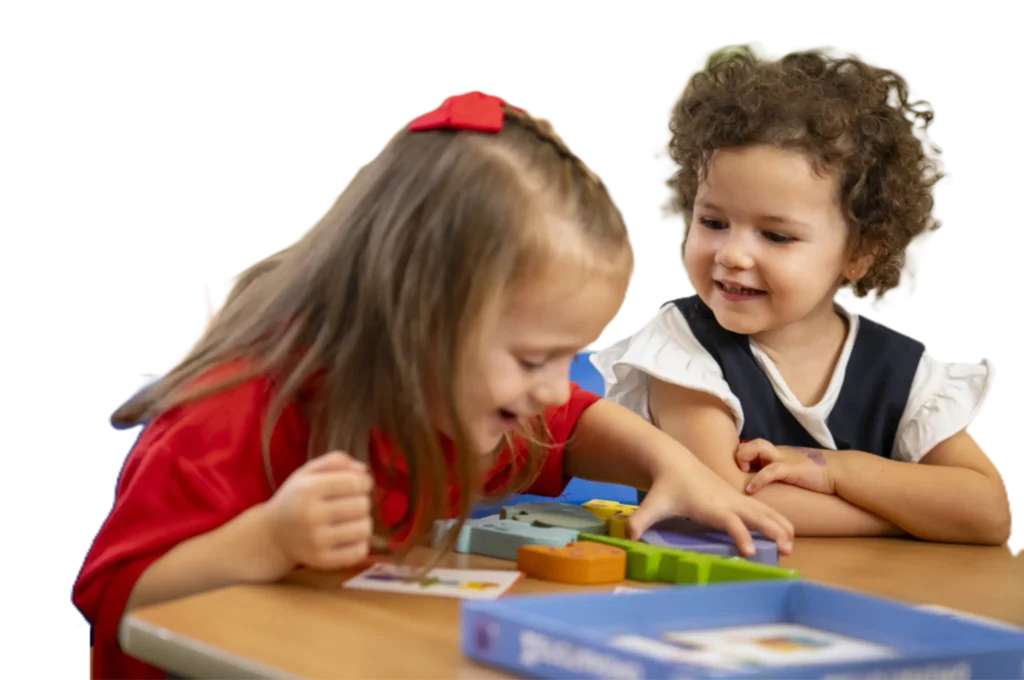
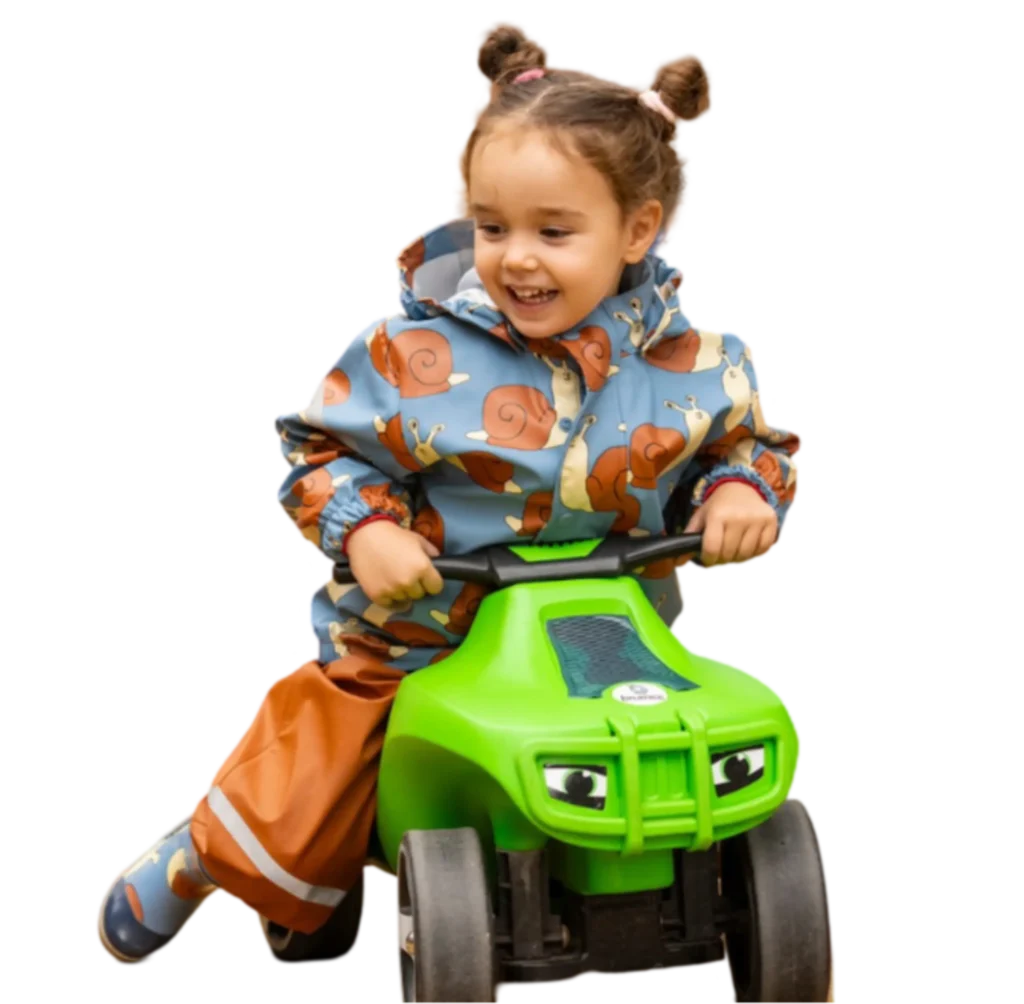
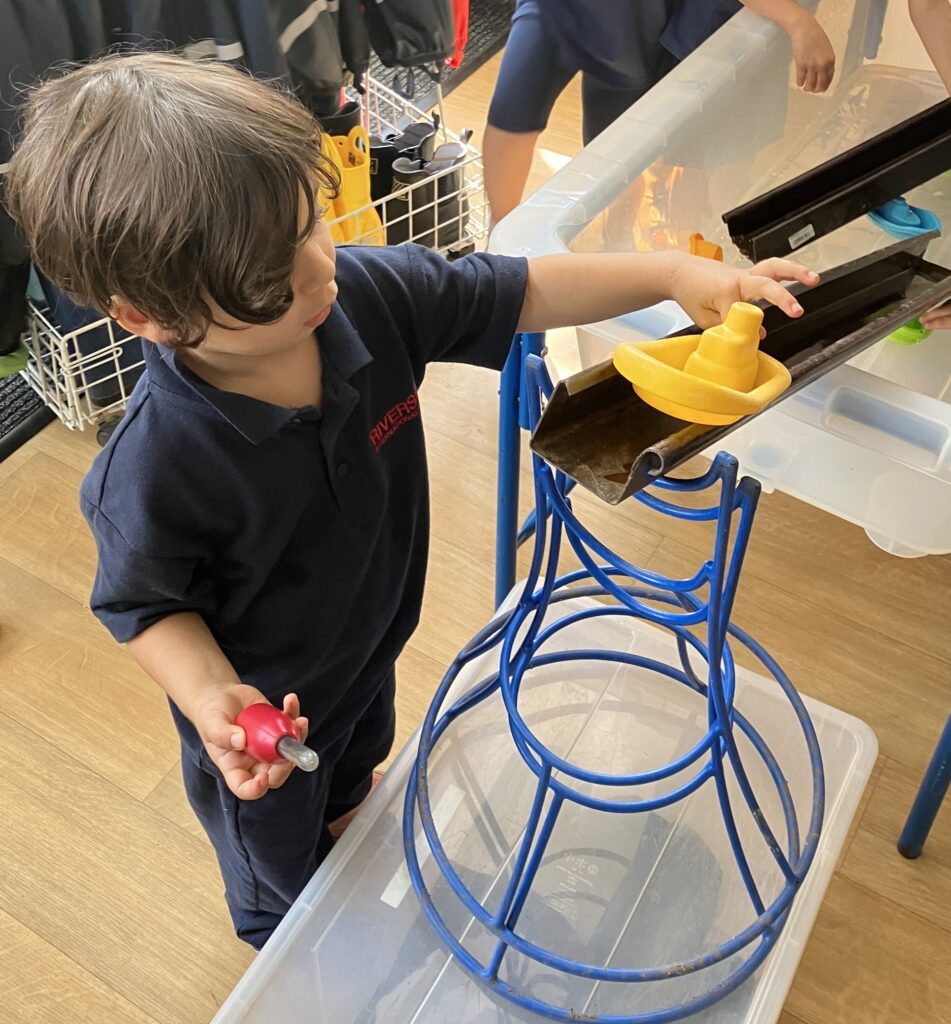
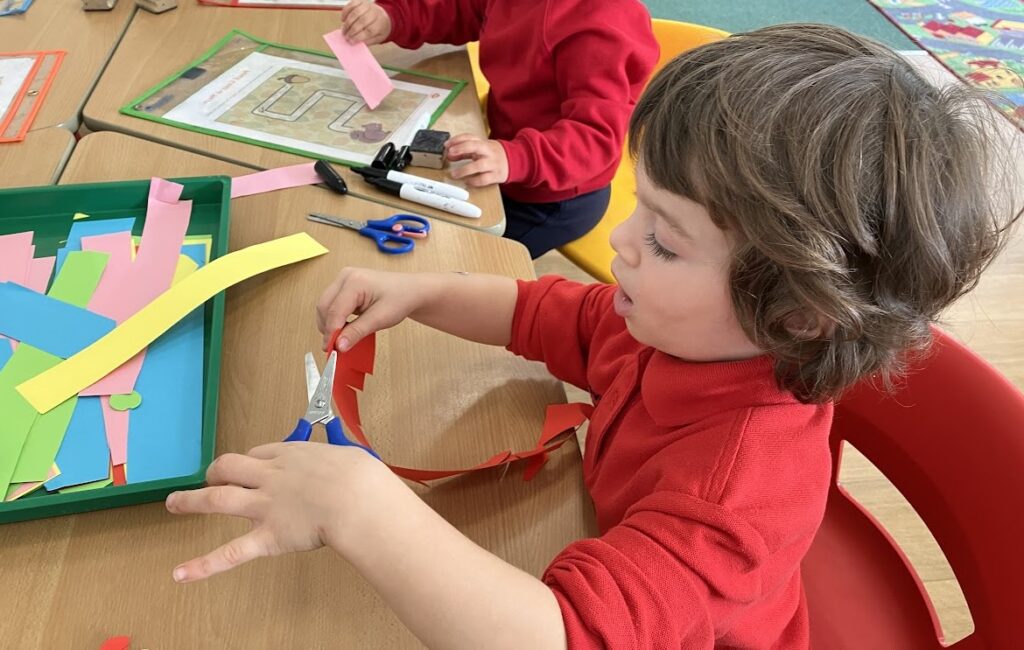
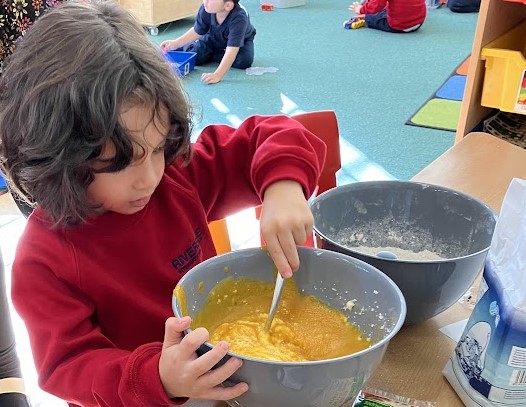
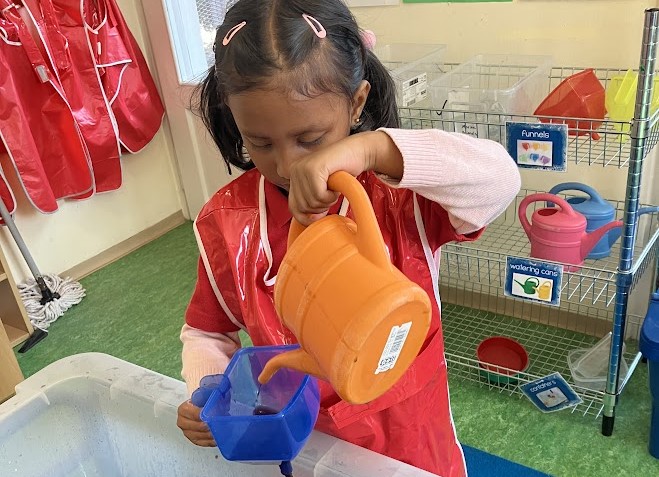
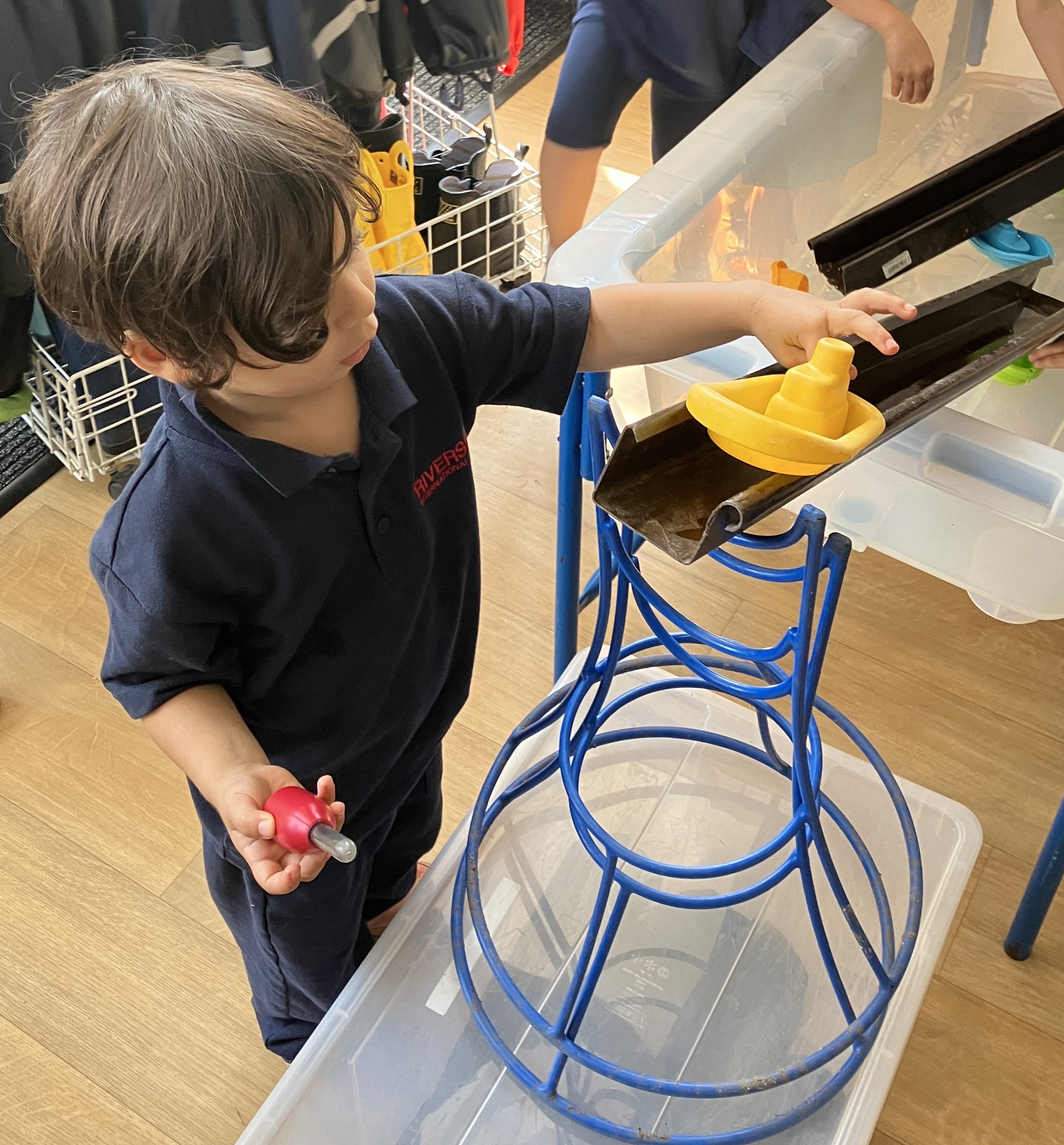
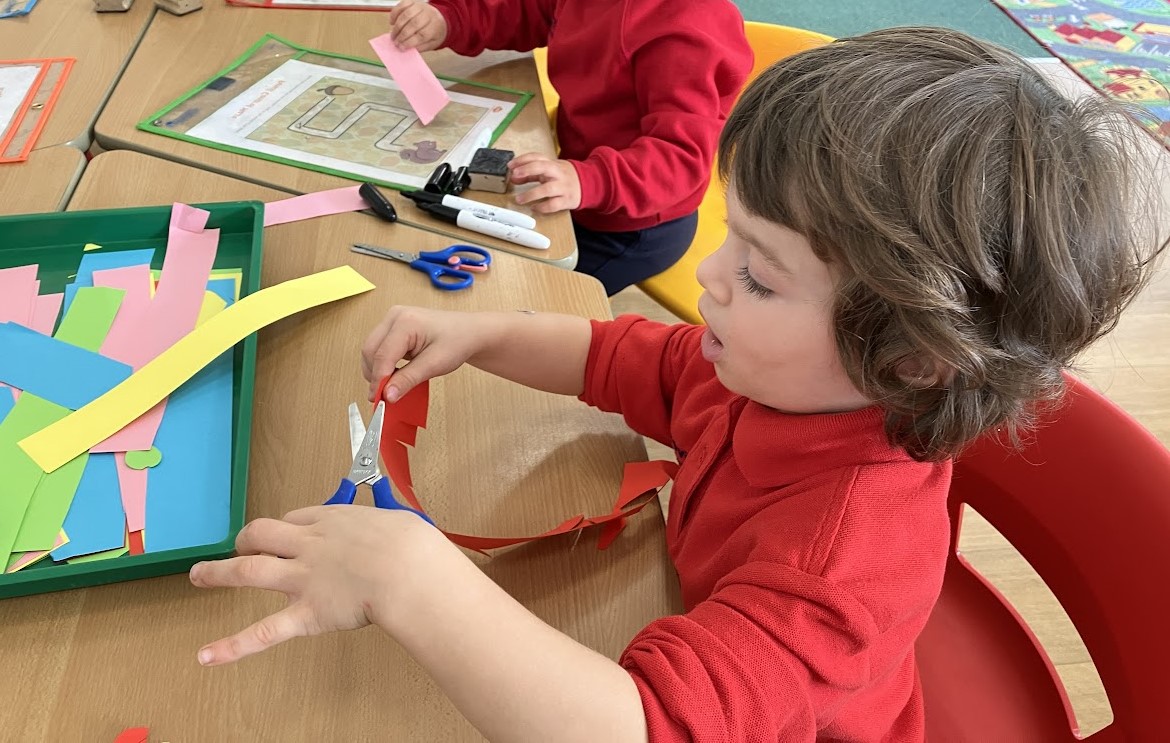
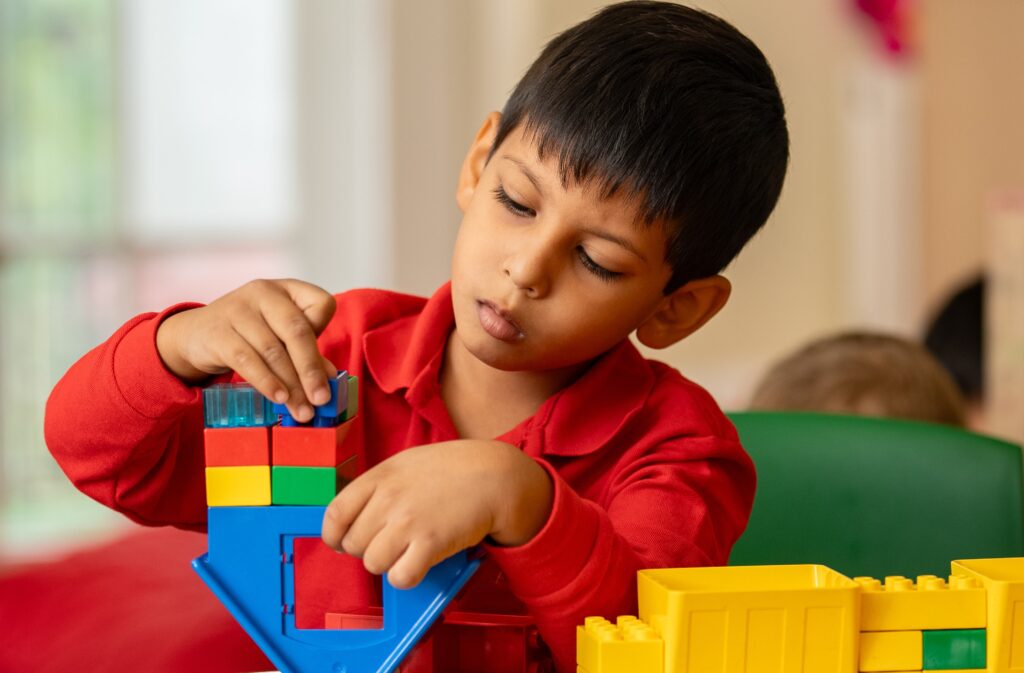
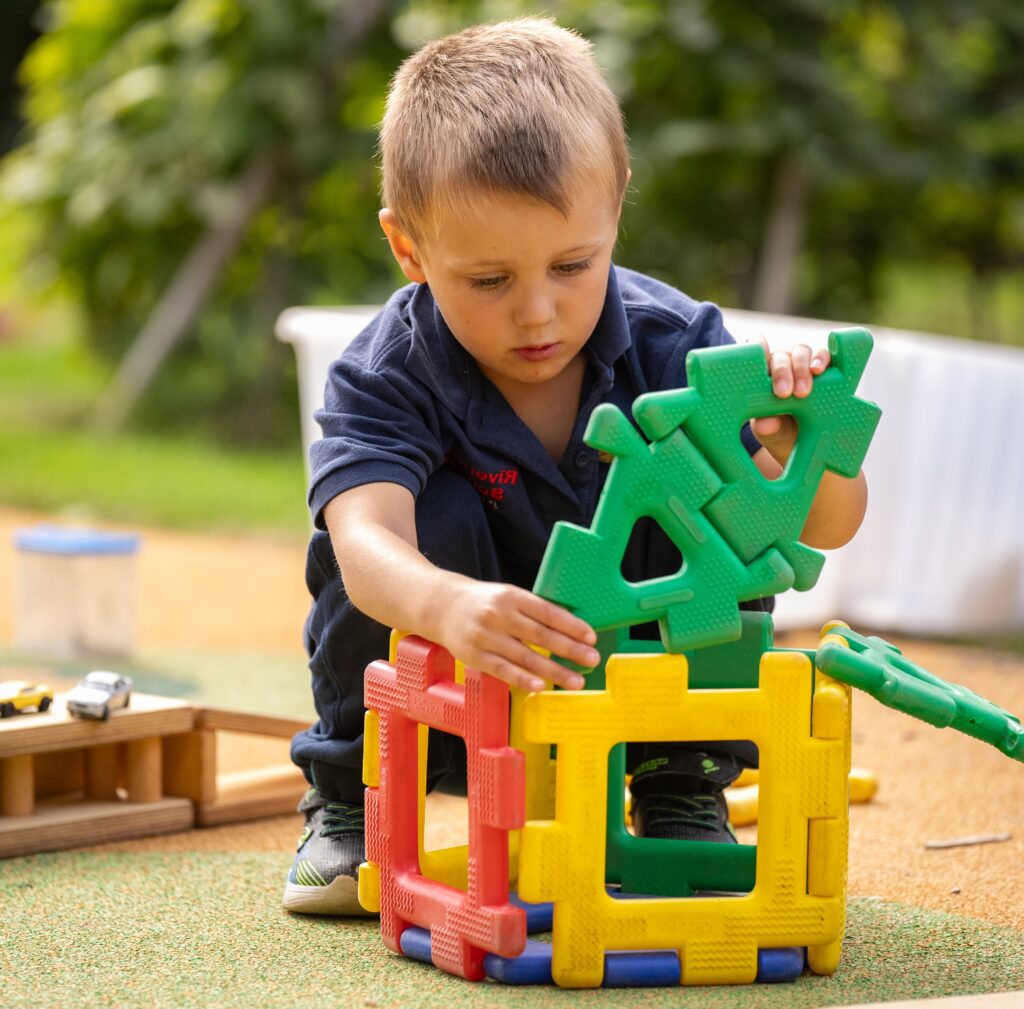
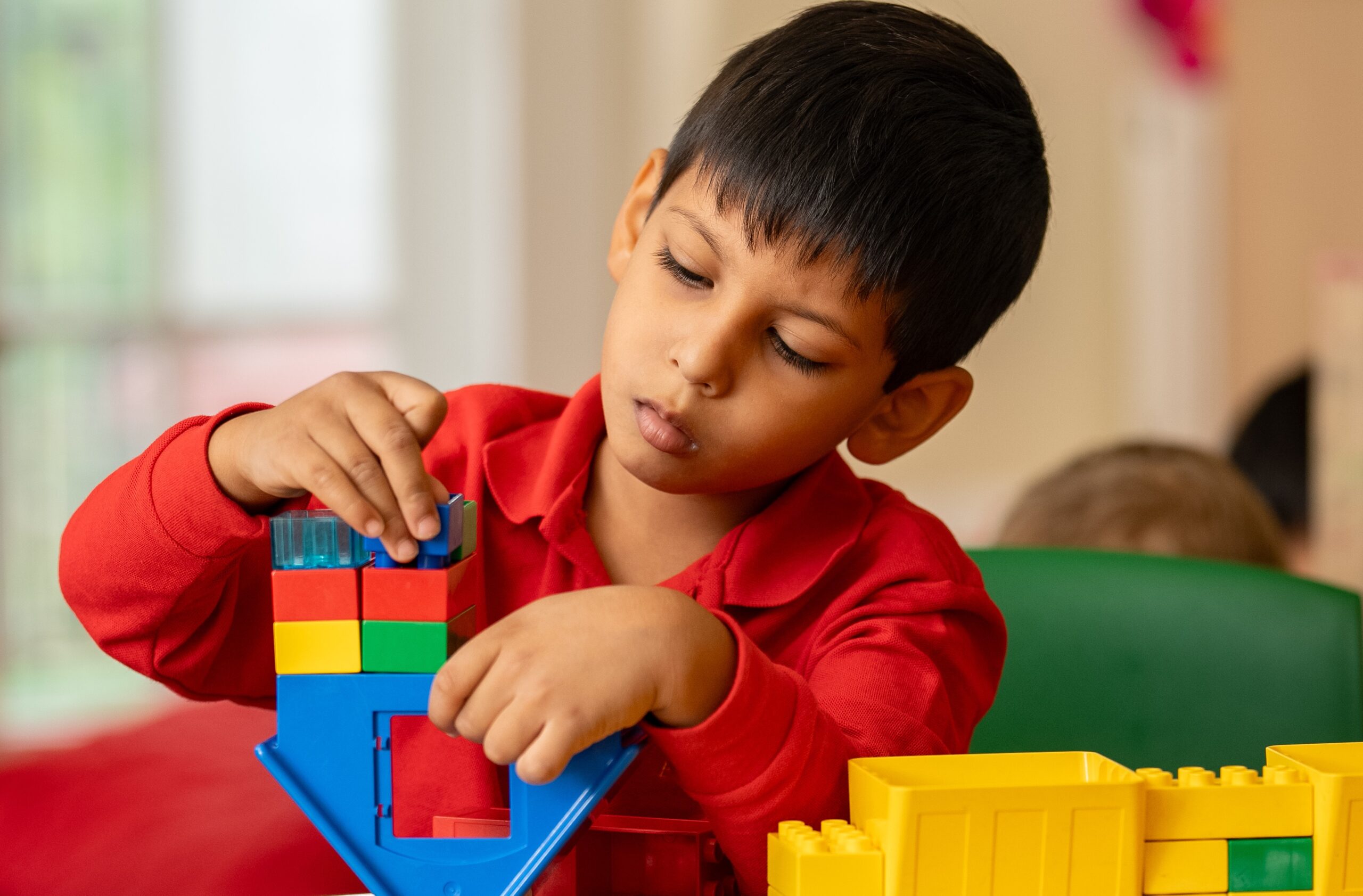
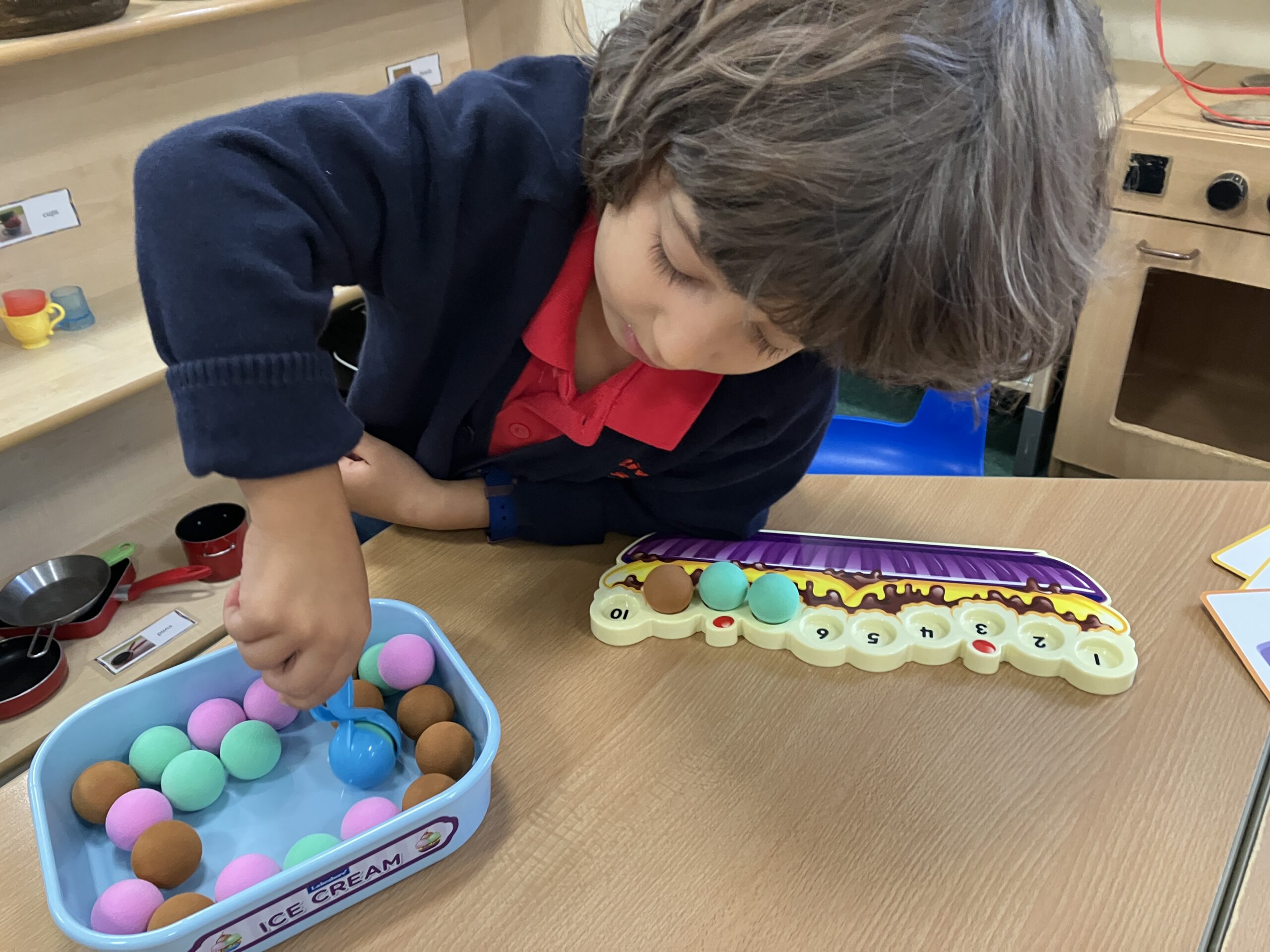
Gross motor skills and fine motor skills develop gradually in early childhood through sensory exploration indoors and outdoors, helping children build strength, coordination, and awareness of their body. Fine motor skills improve hand-eye coordination, which supports early literacy. Regularly engaging in activities like small world play, puzzles, arts and crafts, and using small tools with adult supervision helps children build skill, control, and confidence.
Personal, Social and Emotional Development
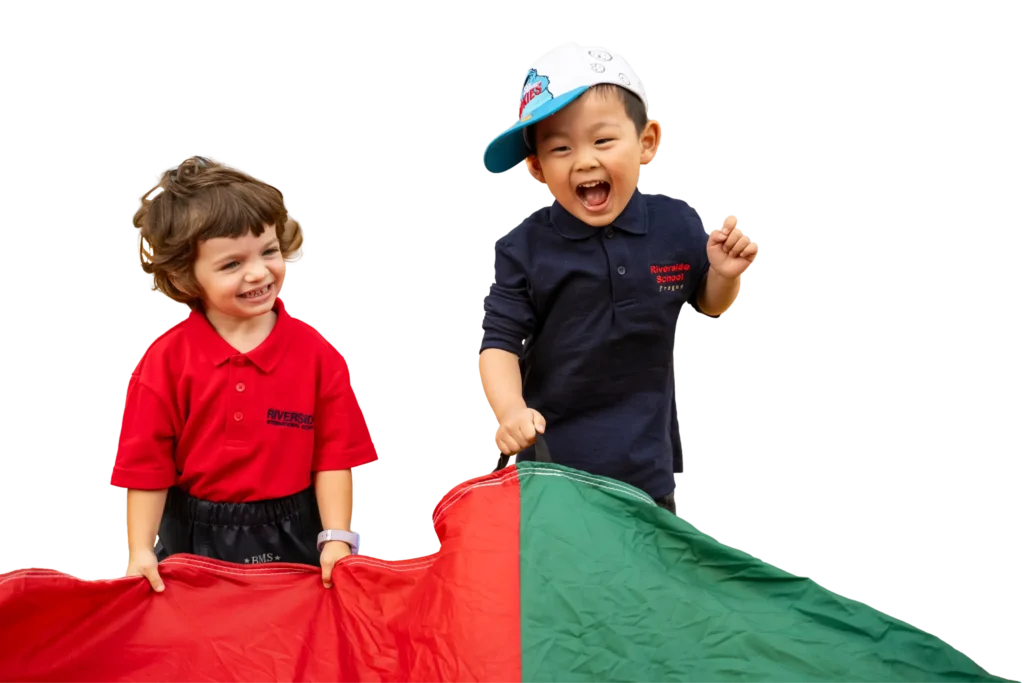
Children’s personal, social, and emotional development (PSED) is essential for their well-being and is key to their cognitive growth. Positive, supportive relationships with adults help children understand their own emotions and those of others.
Children need guidance in managing emotions, building self-confidence, setting simple goals, and being patient and focused. Through structured lessons and interactions with peers, they learn to form friendships, cooperate, and resolve conflicts peacefully. These skills create a strong foundation for success in school and later in life.
Literacy
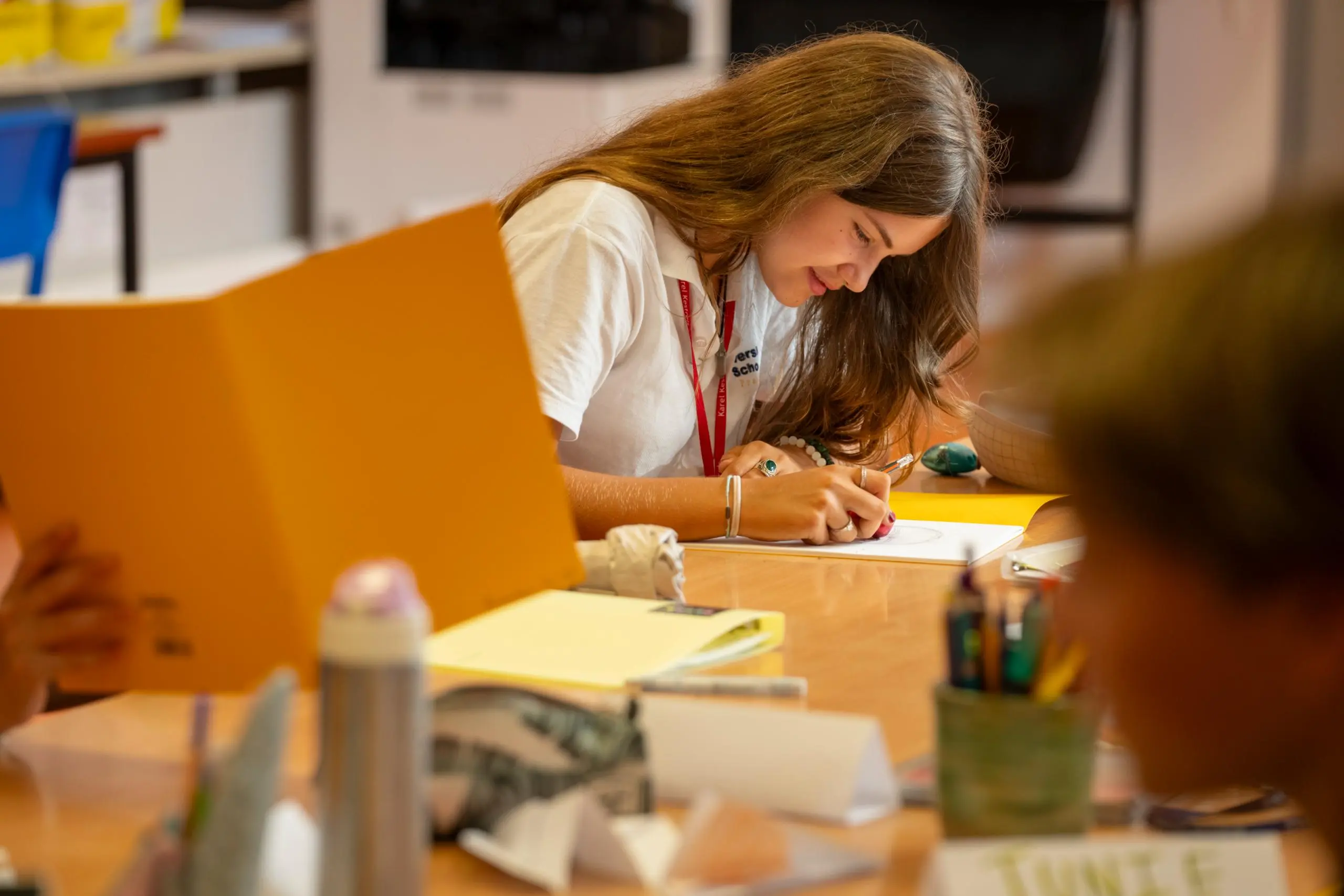
In literacy, children learn to read and write by developing their language skills and physical abilities. Reading has two parts: understanding language and recognizing words. It grows when adults talk to children about the world around them, read books with them, and enjoy rhymes, poems, and songs together.
Children learn to read using phonics, which links sounds to letters to help them blend and decode words. Later, they begin recognizing words more quickly. Writing includes spelling and handwriting (transcription) as well as forming and expressing ideas before writing them down (composition).
Mathematics
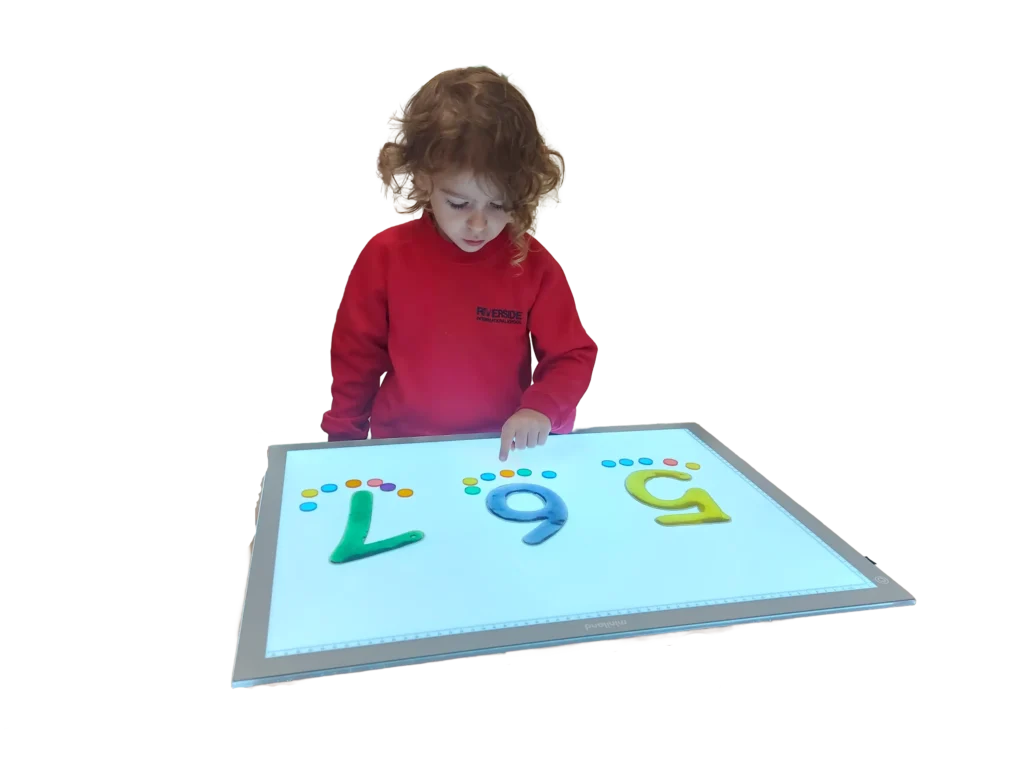
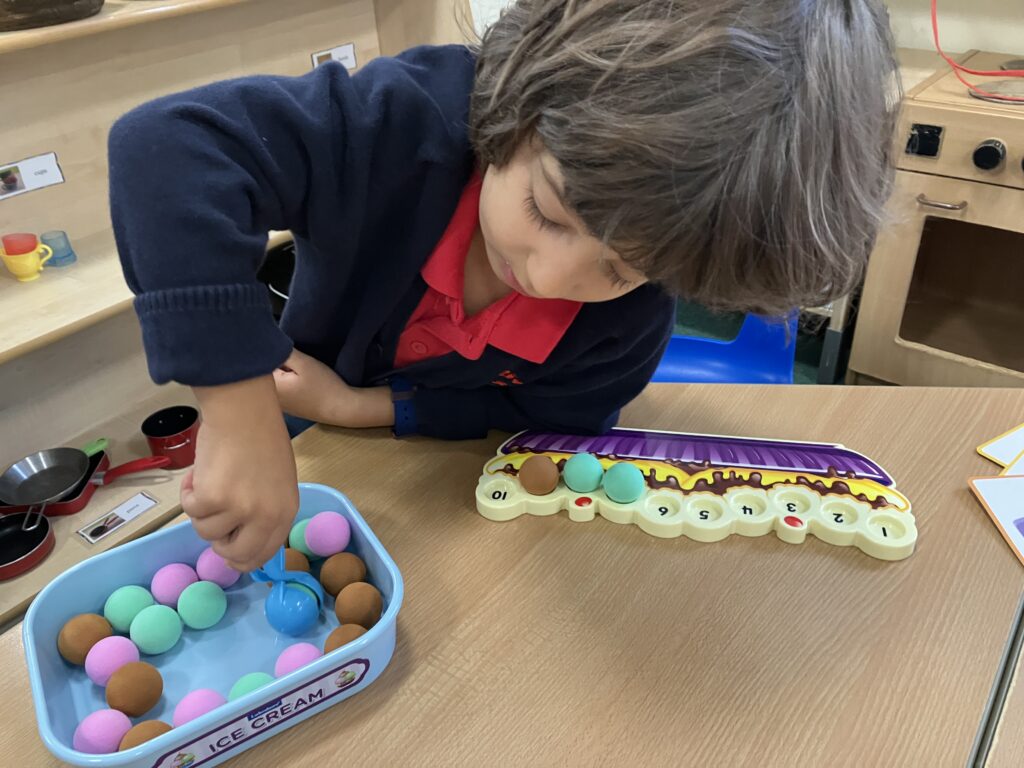
Children should be able to count confidently and have a strong understanding of numbers up to 10, including their relationships and patterns. By offering regular and diverse chances to practice this understanding, such as using small objects and tens frames to help with counting, children will build a solid foundation of knowledge and vocabulary necessary for mastering math.
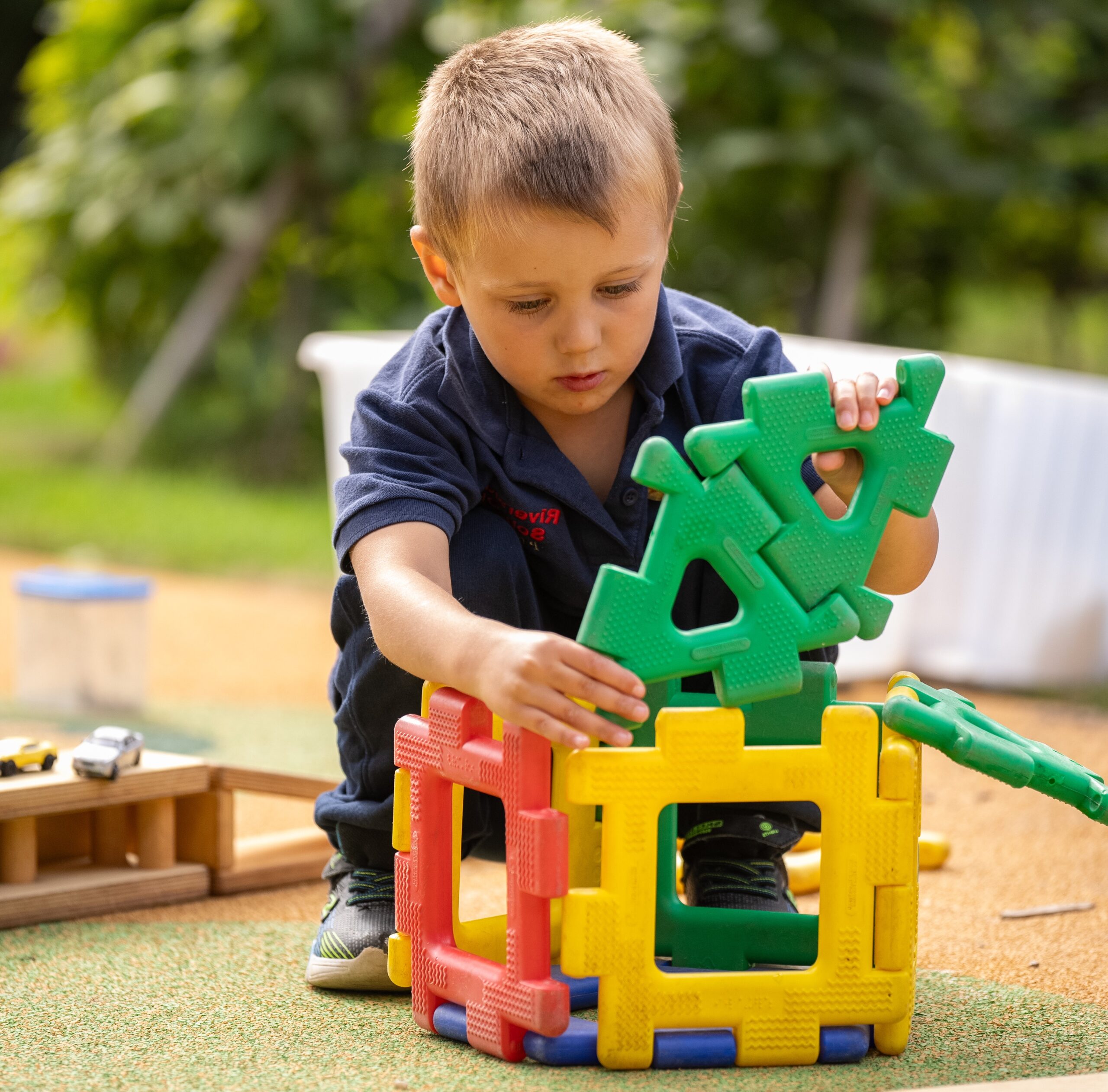
Additionally, the curriculum should provide ample opportunities for children to develop their spatial reasoning skills in all areas of math, including shapes, space, and measurements.
Understanding the World
Understanding the World helps children make sense of their physical environment and community. The more experiences they have, like visiting parks, libraries, and museums or meeting important community members such as police officers, nurses, and firefighters, the more they learn about the world around them.
Listening to a variety of stories, nonfiction, rhymes, and poems also enhances their understanding of our diverse cultural, social, technological, and ecological world. This not only builds essential knowledge but also expands their vocabulary, helping them understand different areas of learning.
Expressive Arts and Design
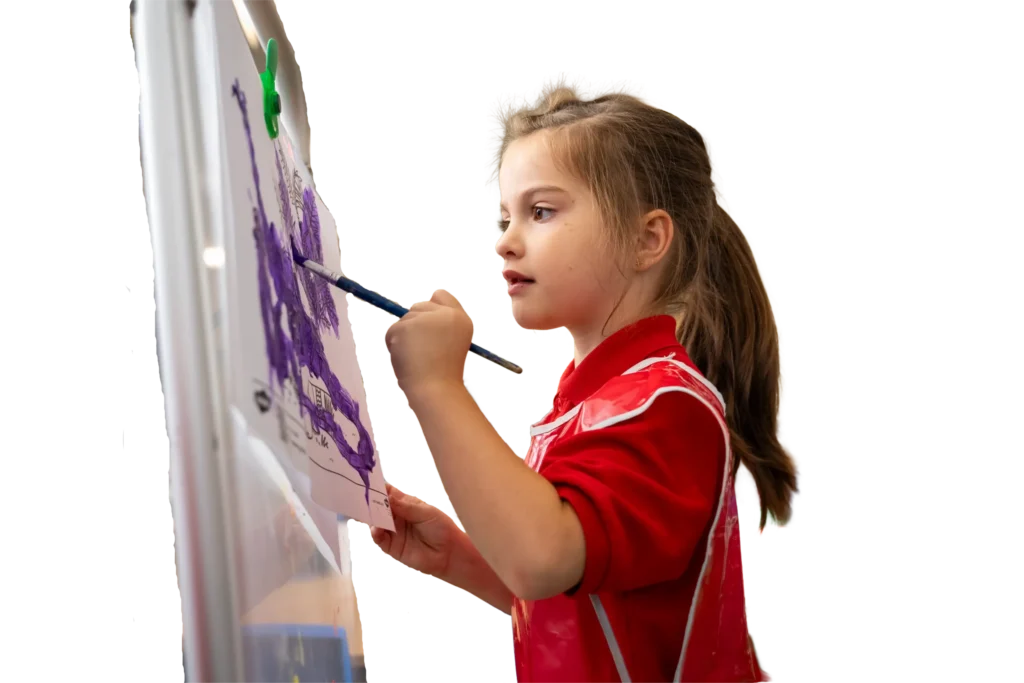
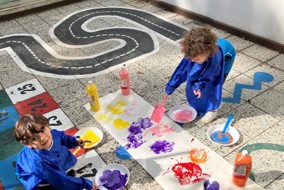
Developing children’s artistic and cultural awareness enhances their imagination and creativity. It is essential for children to have regular opportunities to engage with the arts, allowing them to explore various media and materials.
The quality and diversity of what they see, hear, and participate in are vital for improving their understanding, self-expression, vocabulary, and communication skills through the arts. Frequent, repeated, and in-depth experiences are key to helping them interpret and appreciate what they observe and respond to.
Playing and Exploring
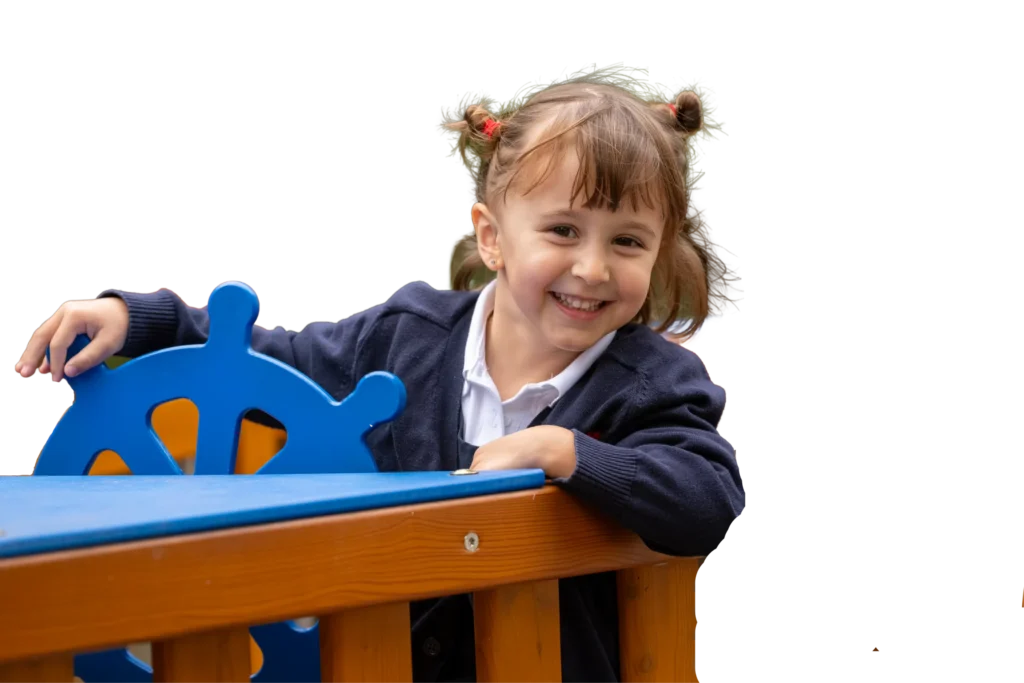
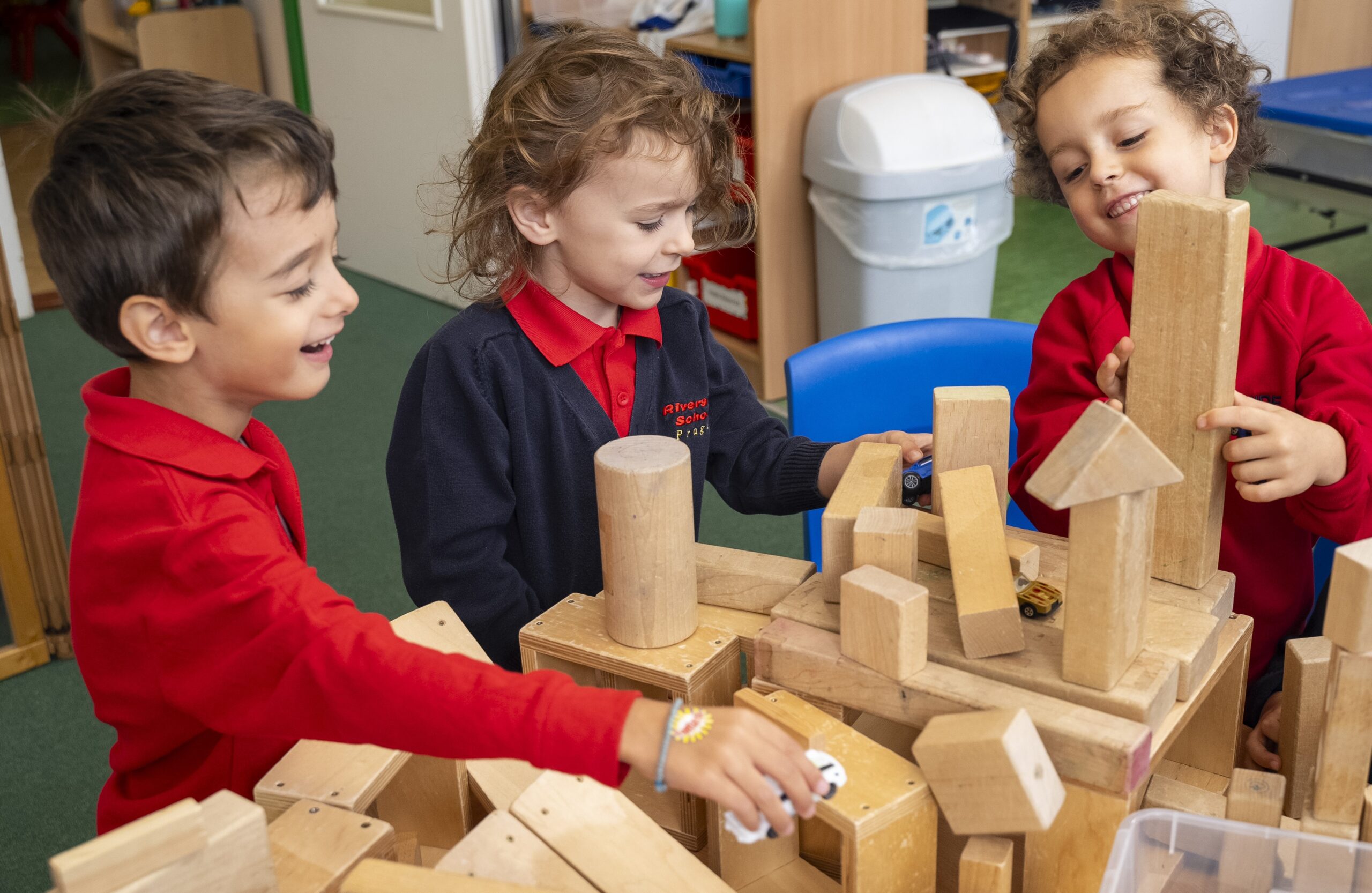
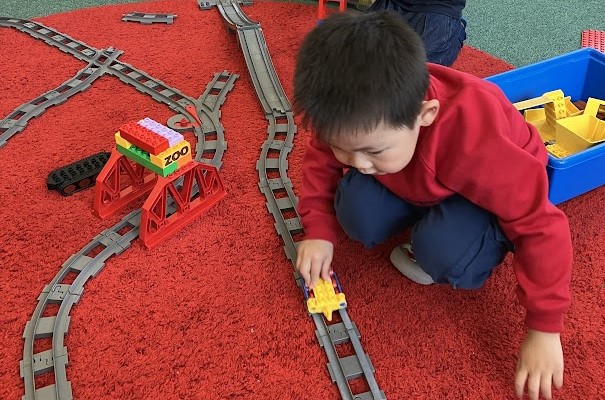
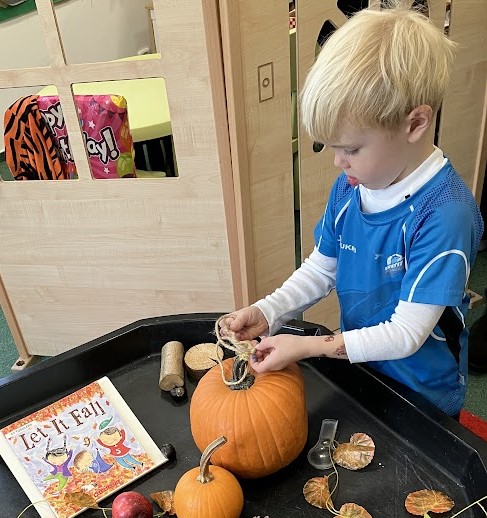
Children explore their world through their senses, showing curiosity about objects, events, and people. Open-ended activities encourage them to think creatively and discover new possibilities.
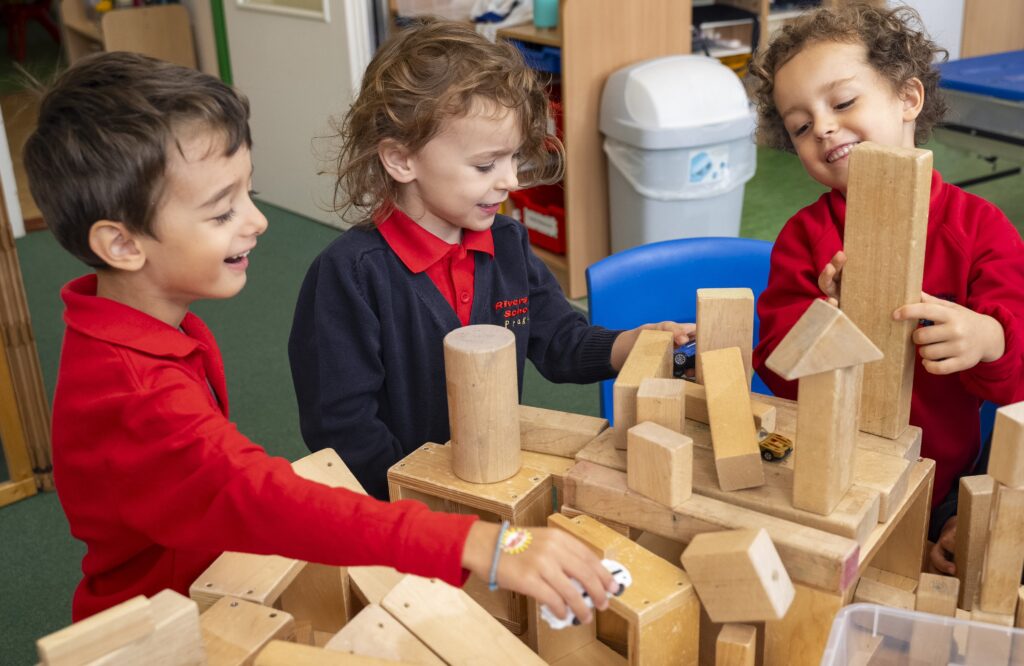
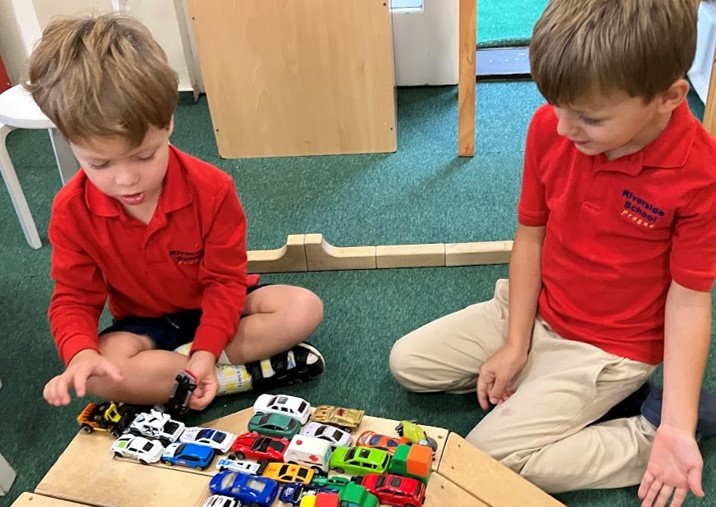
Enjoyment in acting out own experiences with others during play fosters creativity and social skills. This collaborative interaction allows them to engage in imaginative scenarios together.
Knowledge is demonstrated in play as children initiate activities that reflect their interests. They showcase a “can do” attitude, actively seek out challenges, and embrace risks by trying new things. This approach promotes learning through trial and error, helping to foster resilience and confidence.
Active Learning
Involvement and concentration are evident as children exhibit high levels of energy and fascination in their activities. They remain focused, not easily distracted, and pay close attention to details. This ability allows them to engage with tasks for extended periods, deepening their learning experience.
Children demonstrate the ability to keep trying by bouncing back after facing difficulties. They persist with activities even when challenges arise, believing that their persistence and adaptability will lead to success.
Children take pleasure in achieving their goals by embracing challenges as opportunities for growth, rather than just seeking praise. They feel a sense of pride not only in reaching their objectives but also in the effort and process that lead to those achievements.
Creating and Thinking Critically
Children show the ability to choose effective ways to do things by regularly checking how well an activity is going. They adapt by changing their approach or strategy when needed and are able to review how successful their method was in achieving the desired outcome.
Creativity is evident when new ways to do things are discovered, as well as when independent ideas are formed. This inventive approach helps in solving problems and encourages innovative thinking.
Making connections involves developing ideas about grouping, sequencing, and understanding cause and effect. It also includes making predictions, testing new ideas, and noticing patterns in experiences, allowing concepts to be linked in meaningful ways.